ICML 2026 · Datasets Track Detection · Panoptic · Tracking 10,101 high-resolution frames

MarPOT

A Large-Scale Maritime Panoptic Obstacle Tracking Benchmark

A maritime perception benchmark that unifies detection, panoptic segmentation, and multi-object tracking under temporally consistent instance identifiers.

10,101
High-res images
52.7k
Bounding boxes
131.3k
Instance masks
13
Sequences
4+
Orders of scale
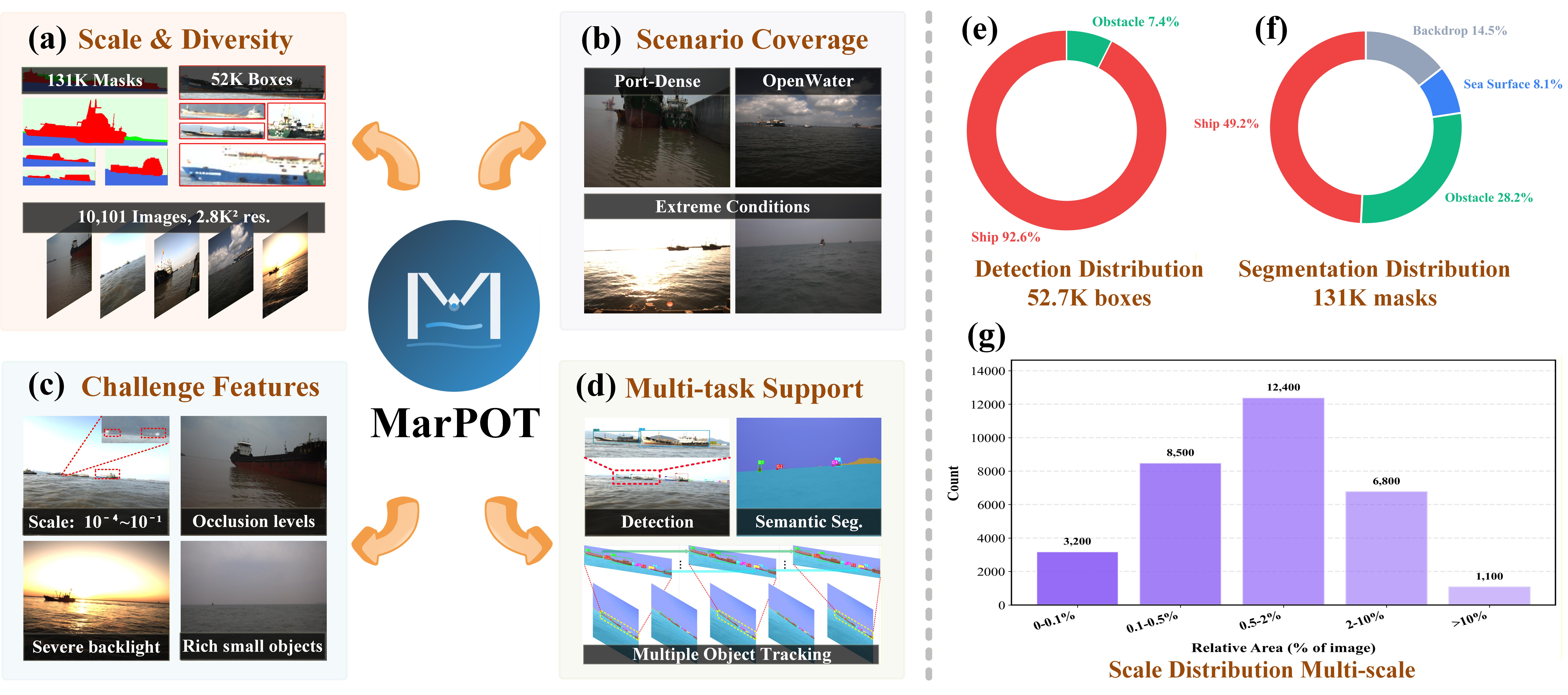
MarPOT overview: scale variation, conditions, and unified annotations
What is MarPOT

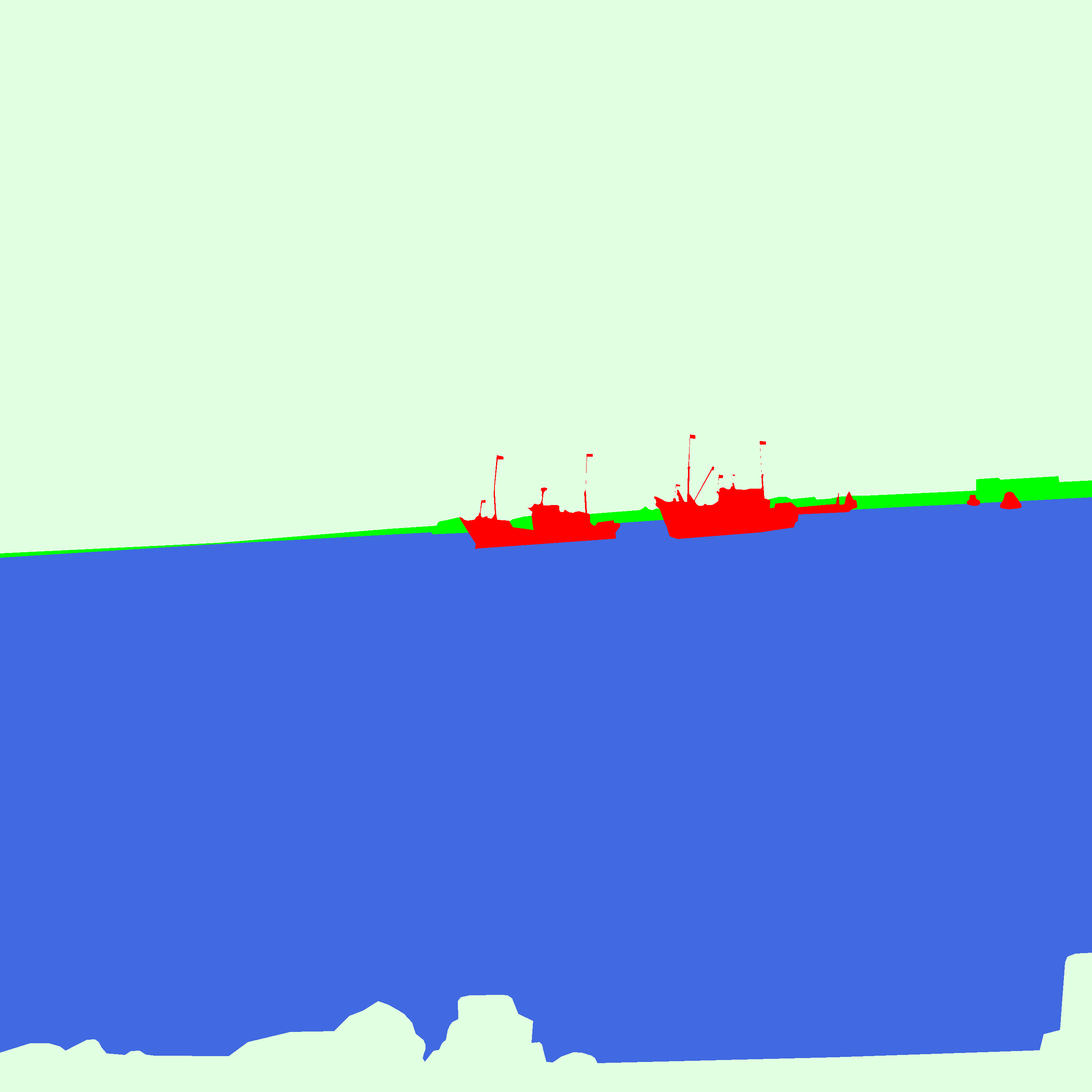
Unified annotations across detection, segmentation, and tracking

MarPOT is built from six months of real maritime operations across harbor anchorages, coastal channels, and offshore routes.

🌊

Diverse Scenarios

Harbor anchorages, coastal channels, and offshore routes under varying weather, lighting, and traffic conditions.

🎯

Multi-Task Annotations

Bounding boxes, panoptic instance masks, and temporally consistent IDs — all aligned within the same frame.

Realistic Challenges

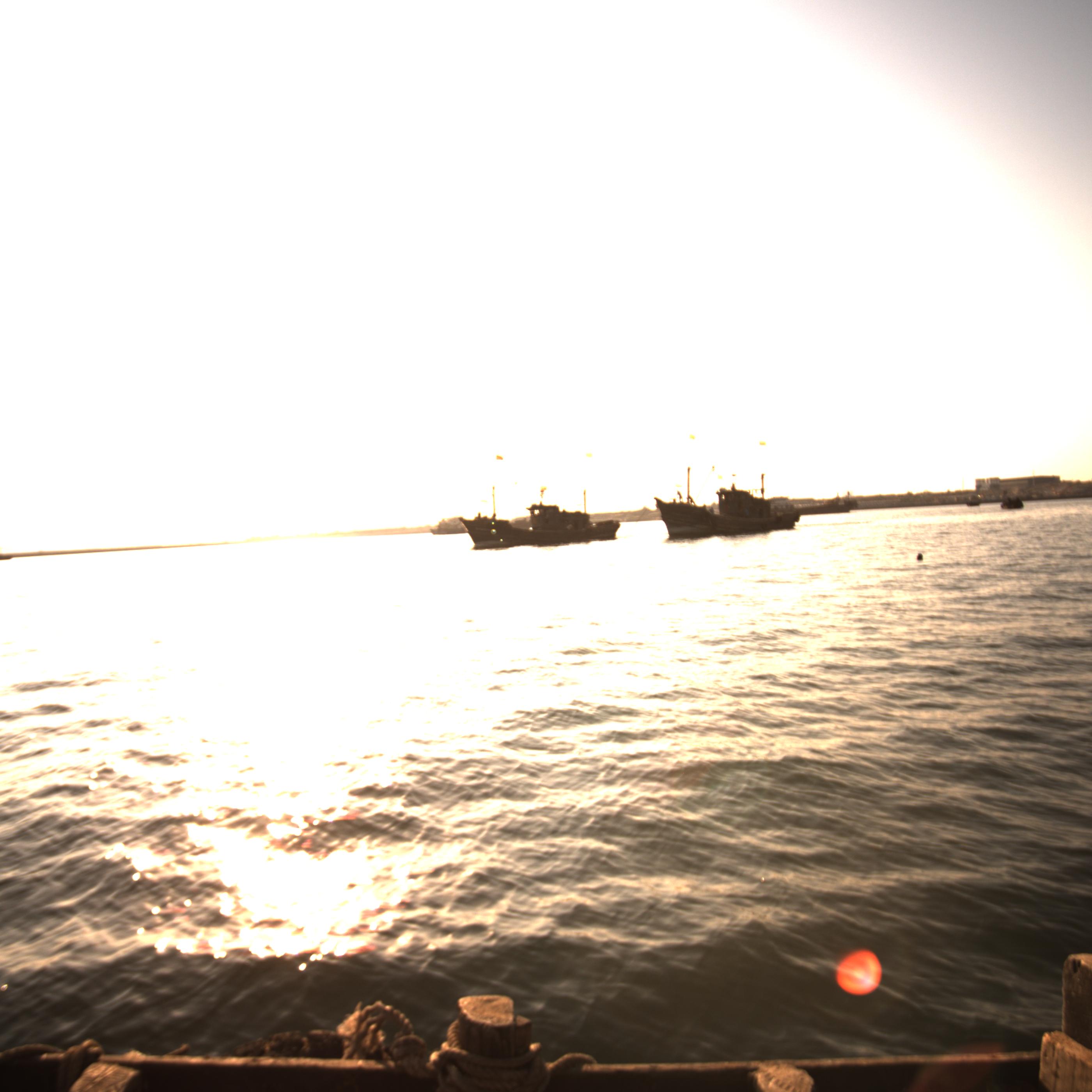
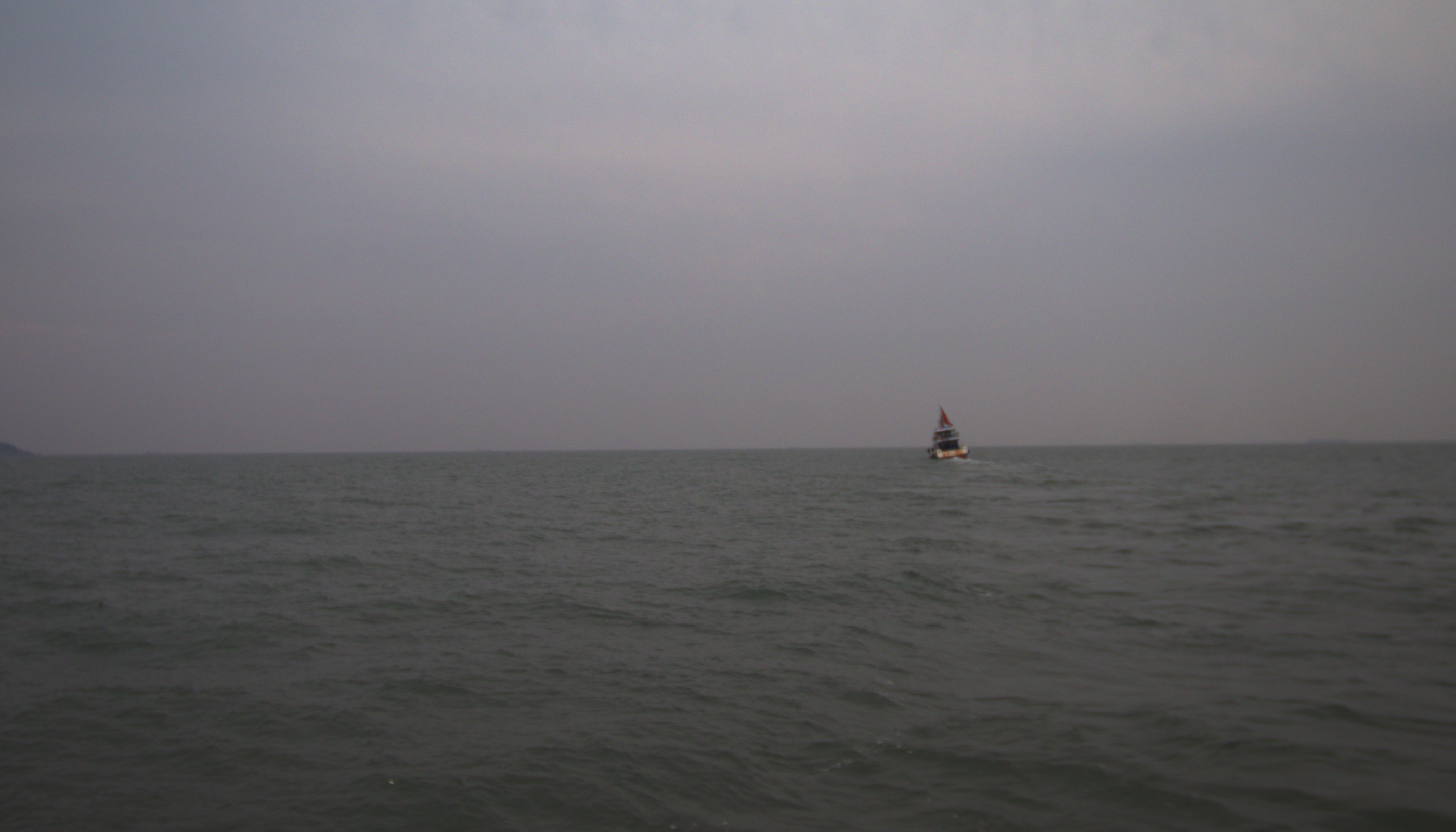
Occlusion, specular reflection, severe backlighting, haze, and extreme scale variations baked into the data.

Why a new benchmark

Existing maritime datasets isolate tasks. MarPOT unifies them.

Detection benchmarks provide only boxes. Segmentation benchmarks provide pixel labels but no temporal IDs. Tracking benchmarks lack dense instance masks.


No public maritime dataset previously offered temporally consistent panoptic identifiers.


See full comparison →
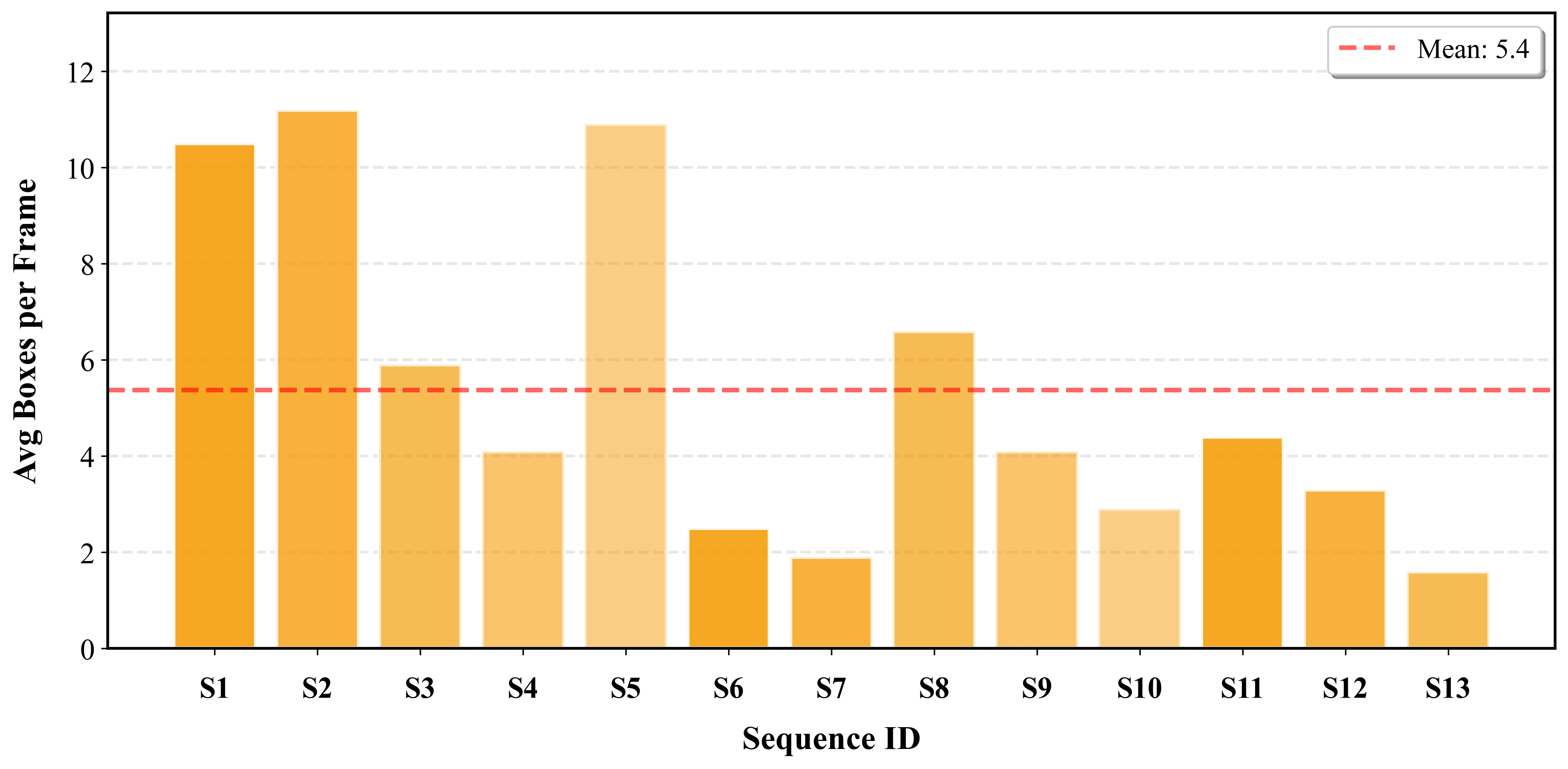
Object density across MarPOT sequences
Object density across 13 sequences exhibits the natural bimodal distribution of maritime operations.
Dataset Statistics

At a glance

10,101
High-resolution images
2800×2800 or 2800×1600, 15 fps source footage
52.7k
Bounding boxes
48,784 ships + 3,916 obstacles
131.3k
Polygon masks
52,700 things + 78,550 stuff; 13.0 per frame
13
Sequences
13 sequences across 6 months of operations
4+
Orders of scale
Relative area from 10⁻⁴ to 10⁻¹
5.22
Avg. instances / frame
9.9 in port, 3.4 in open water
Key Features

Six properties that set MarPOT apart

01

Extreme Scale Variation

Object areas span four orders of magnitude. Distant vessels and nearby obstacles coexist in the same frame.

02

Complex Visual Conditions

Specular reflection, severe backlighting, fog, haze, and dense shoreline clutter.

03

Unified Annotation Framework

Occlusion / truncation attributes, polygonal instance masks, and temporal IDs share a single coordinate system per frame.

04

Temporal Consistency

Every dynamic instance keeps the same identifier across an entire sequence.

05

Geographic Diversity

Multiple regions and traffic patterns: dense harbors, transit channels, and sparse open water.

06

Comprehensive Baselines

22 semantic segmentation architectures, 2 panoptic frameworks across 6 backbones, and 7 multi-object trackers.

Sample Browser

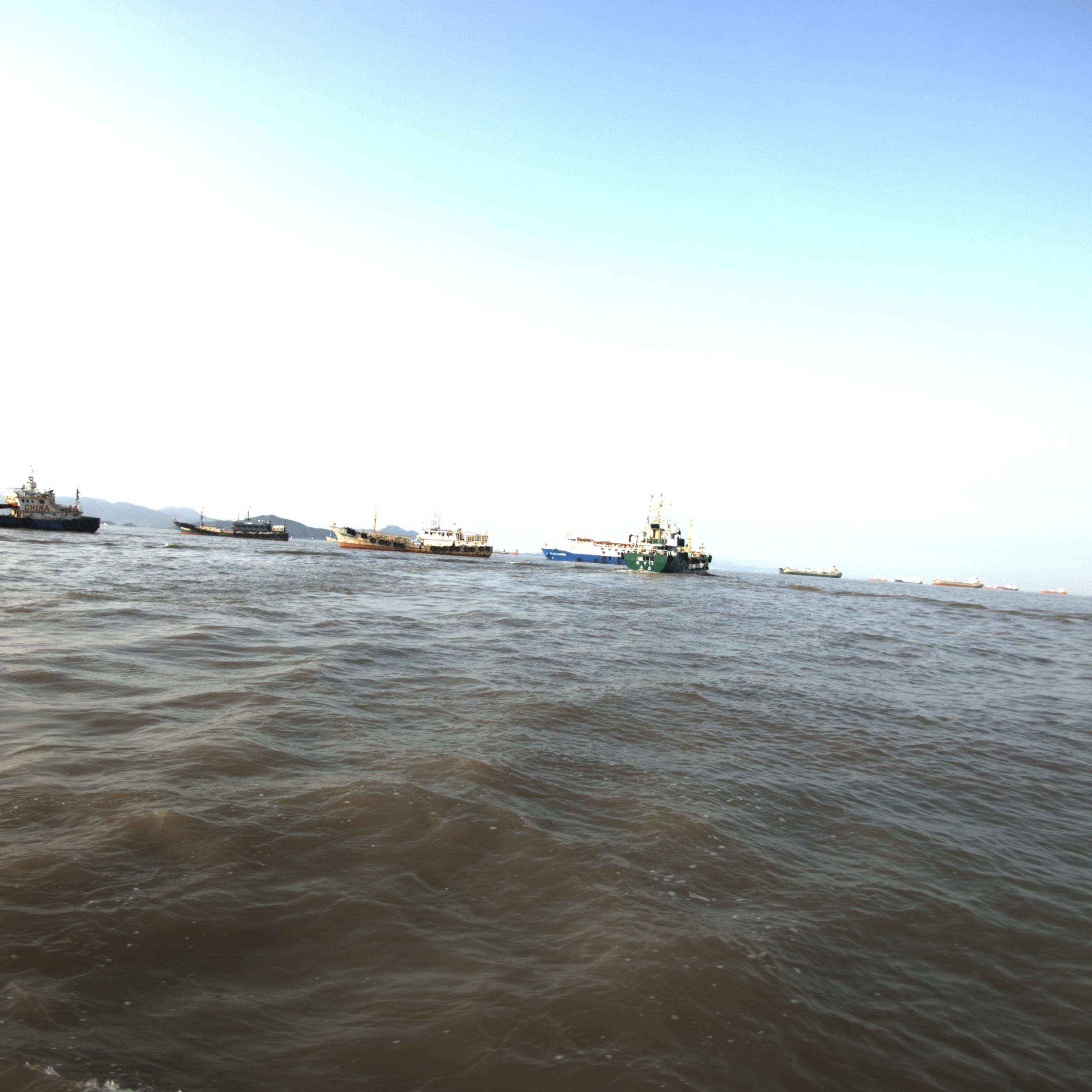
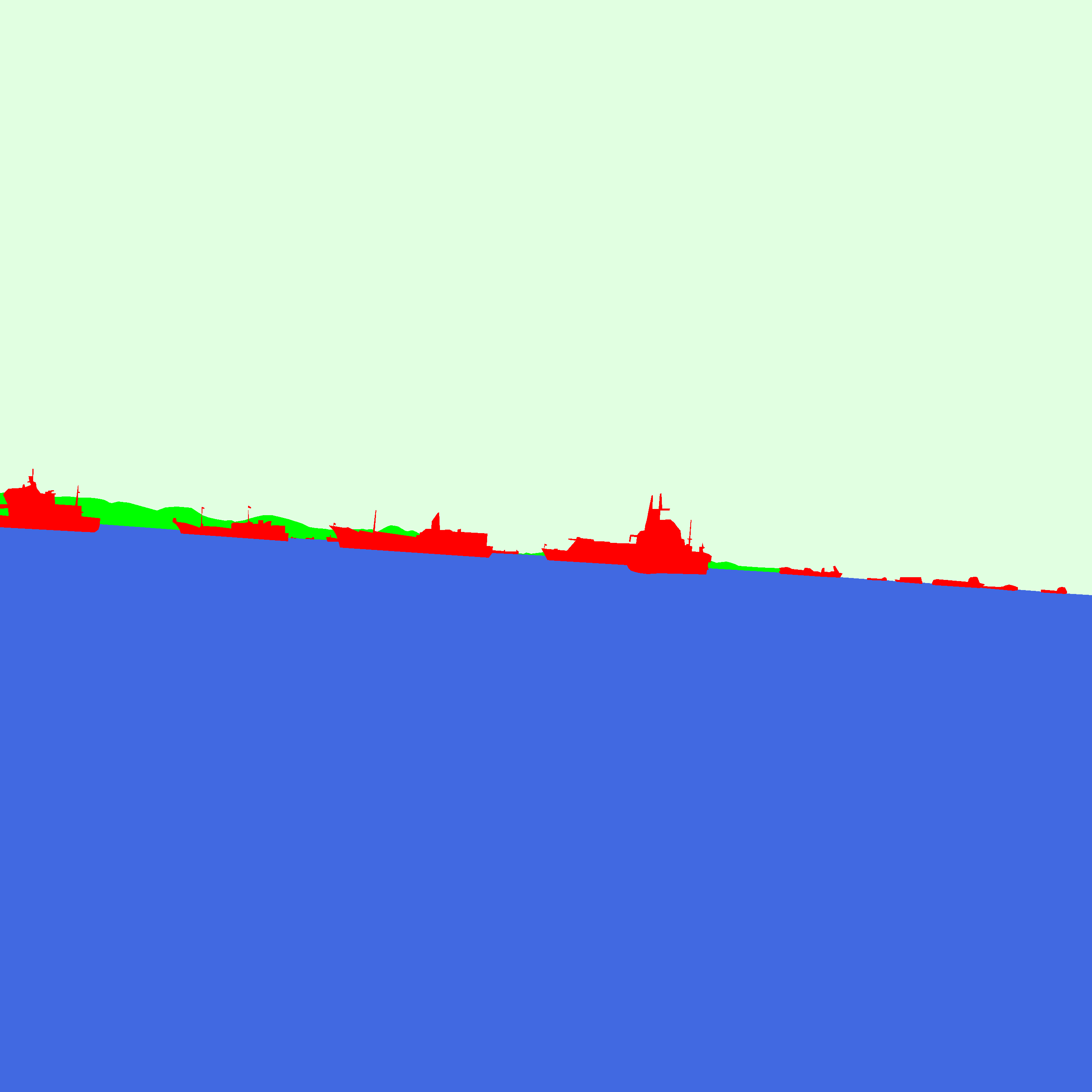
Drag the slider to flip between RGB and panoptic mask

A curated subset of MarPOT frames covering port operations, coastal channels, offshore traffic, and adverse conditions.

Browse all samples →
Download

Get the data

The full release ships in a single archive with images, panoptic masks, COCO-format JSONs, and the evaluation toolkit.

Full Dataset

Approx. 25 GB

  • 10,101 images (2800×2800 / 2800×1600)
  • 52,700 bounding-box annotations
  • 131,250 polygonal masks
  • Temporal IDs across 13 sequences
  • Occlusion / truncation attributes
Download (cloud drive)

Mini Subset

Approx. 800 MB

  • ~500 representative frames
  • All annotation types included
  • Evaluation scripts + quick-start docs
Download mini-set

Eval Toolkit

Code repository

  • Reference metrics: mIoU, PQ, HOTA, IDF1
  • Multi-scale mIoU + waterline accuracy
  • Submission templates for the leaderboard
GitHub repository

Terms of Use

MarPOT is released for academic research only. Commercial use requires written permission.

Citation

Cite MarPOT

If you use MarPOT in your work, please cite:

@inproceedings{marpot2026,
  title     = {MarPOT: A Large-Scale Maritime Panoptic Obstacle Tracking Benchmark},
  author    = {Anonymous Authors},
  booktitle = {Proceedings of the 43rd International Conference on Machine Learning (ICML)},
  year      = {2026}
}